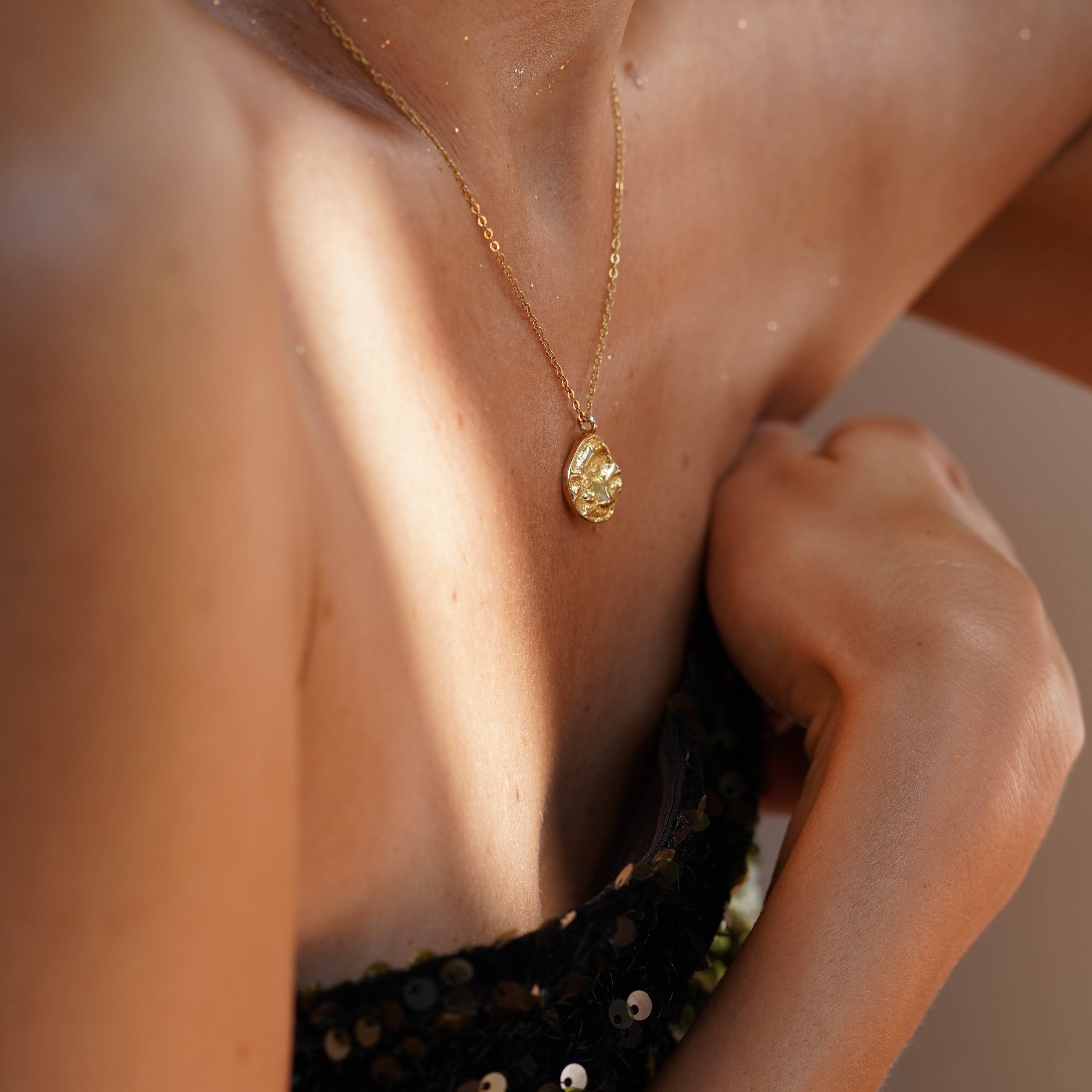
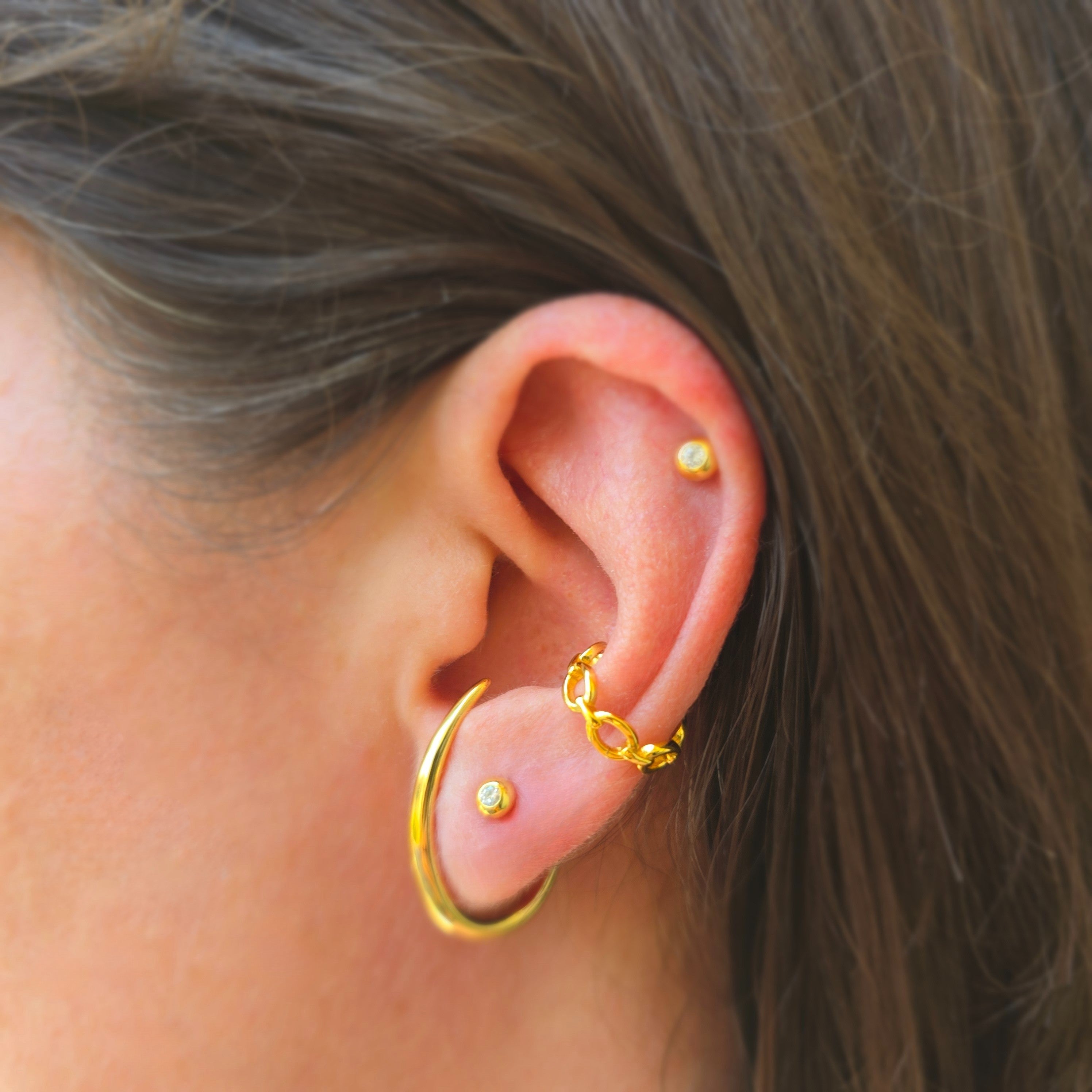
Mixing metals is no longer a 'rule-breaker' move but one of the easiest ways to look intentional, modern and effortlessly put together. If your jewellery box has gold, silver, and rose gold living side-by-side, this guide is for you.
So how to do it and where to start
Step 1. Pick your hero metal
Choose the metal you want to lead the look. This keeps everything cohesive from the start.
Step 2. Add a 'bridge' piece that contains both metals
A bridge piece is your secret weapon. It visually connects mixed metals, so the styling looks deliberate, not accidental.
Bridge pieces include:
- Two-tone rings
- Mixed-metal chain necklaces
- Stacking bracelets with blended tones
- Earrings with dual metal details
No bridge piece? Create one by layering: one gold chain + one silver chain with a pendant that feels neutral (pearl, clear stone, or simple shape).
Step 3. Use the 70/30 rule for instant balance
To avoid a 'too much happening' feel, keep one metal dominant.
"To avoid a 'too much happening' feel, keep one metal dominant – 70% of one, 30% of the other."
Step 4. Repeat the metals in at least two places
This is what makes mixing look polished. If silver appears once, echo it elsewhere.
Step 5. Match your textures, not your metals
A powerful way to make different metals feel like they belong together is to keep texture consistent. Texture cohesion equals instant curated look.
Pair:
- Polished gold with polished silver
- Hammered gold with hammered silver
- Matte finishes together
- Rope chains together, paperclip chains together, snake chains together
Step 6. Keep one element consistent across the whole look
If you are mixing metals across earrings, necklace, rings, and bracelets, choose one consistent element to unify everything. It can be a repeating shape, stone or other motive.